

Full details
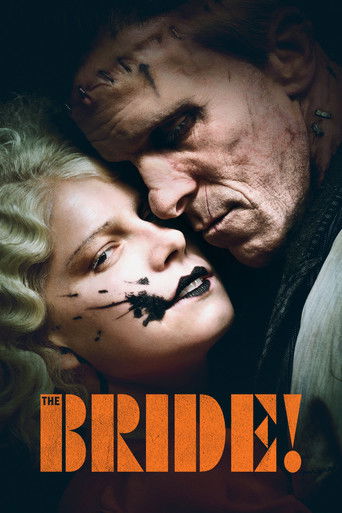
The film The Bride!, directed by Maggie Gyllenhaal, earned disappointing revenues of $7.3 million domestically and $13.6 million worldwide during its opening weekend. This figure is underwhelming compared to its production budget of $90 million plus an additional $65 million spent on marketing.
Reasons Behind the Film's Box Office Failure
A report by Variety outlines five main reasons for this failure, including the shift of the release date from October 2025 to March 2026. This change distanced the film from the Halloween season, which better suits its horror atmosphere. Additionally, it faced competition from Guillermo del Toro's Frankenstein, released a few months earlier and achieving both critical and commercial success.
Moreover, the high production cost of an R-rated film with a bold tone blending crime and art-house drama did not align with audience expectations. This was compounded by weak audience ratings, with the film receiving a "C+" grade in CinemaScore surveys, negatively impacting attendance.
Marketing and Timing Challenges
Despite promotional efforts by the director and cast, negative reactions during test screenings and poor reviews hindered audience attraction. The film's release at an unsuitable time, far from the traditional horror season, further reduced its chances of success.
Background on the Film
The Bride! is set in the 1930s and tells the story of Frankenstein's monster (Christian Bale) and his lover who returns from the dead (Jessie Buckley) as outlaws. It is a feminist reinterpretation with a punk rock style of the classic film The Bride of Frankenstein.
Why This News Matters
This failure highlights the challenges faced by major studios like Warner Bros. in balancing artistic ambitions with commercial success, especially amid increasing risks in the cinema market. It also underscores the importance of selecting the right release timing and marketing strategy to ensure films reach their target audiences.
This news has been re-edited based on a report published on variety.com, while preserving the core facts presented in the original source.